In-depth case studies from product strategy and ideation to prototyping, user testing and shipping the final product.
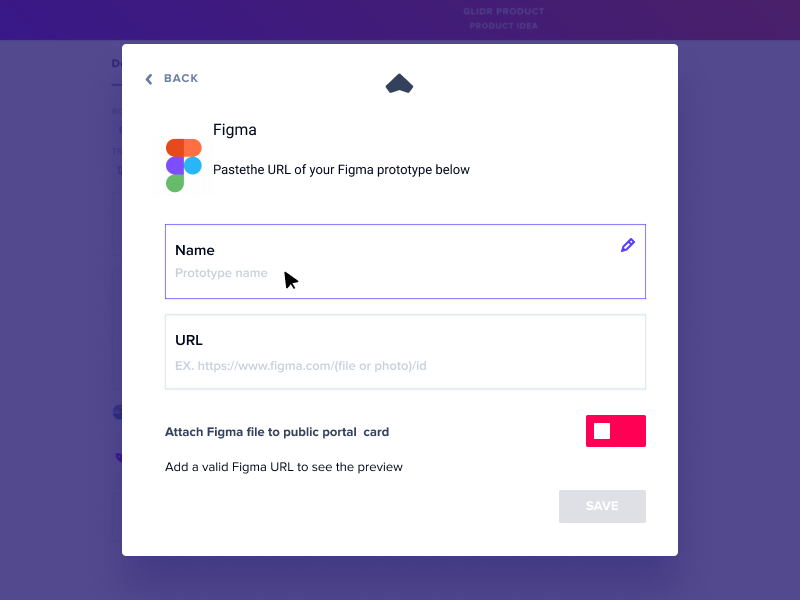
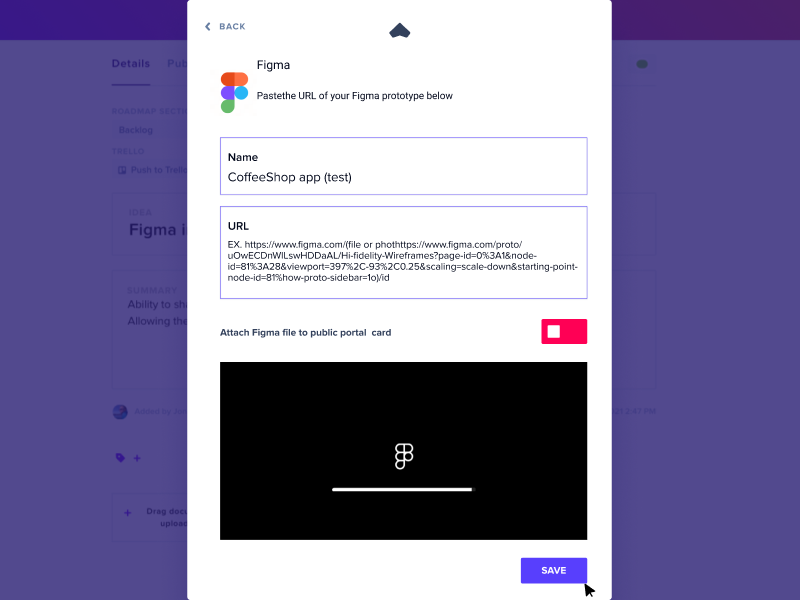
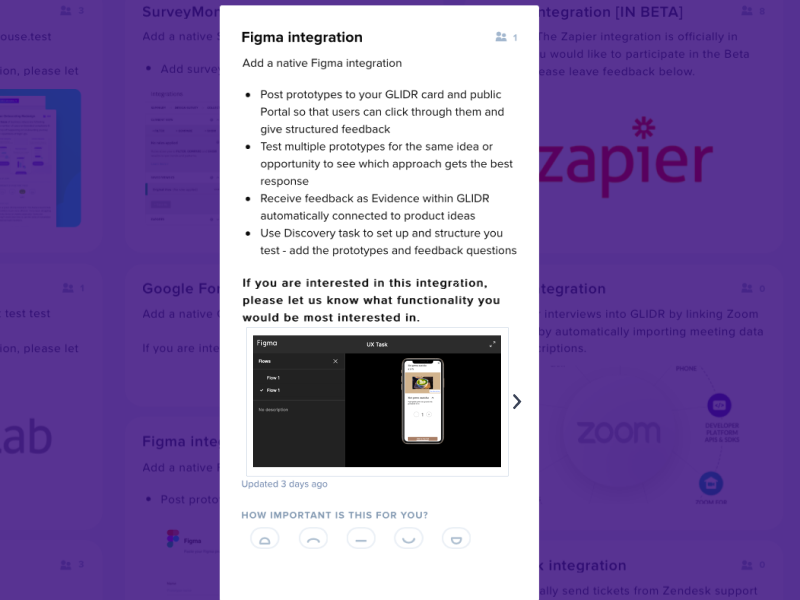
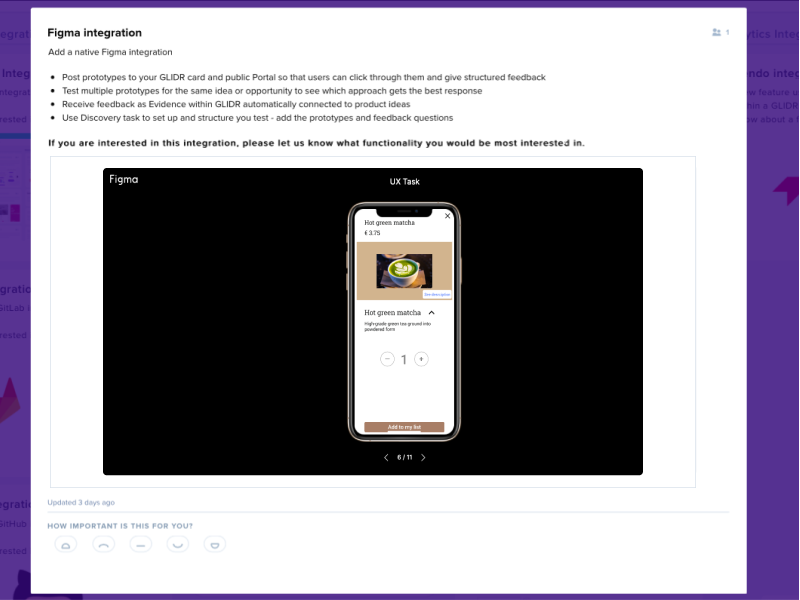
The best way to demonstrate an upcoming feature or product is directly interacting with a prototype. This is how I presented the idea of integrating Figma with Glidr. The feature would invite more useful and impactful feedback and give users the opportunity to explore and understand the product better.
It is difficult to get feedback from customers on specific designs or prototypes, and integrate that into the Product roadmap.
Photos and text are often not enough to properly showcase an upcoming feature or product.
Research showed that Glidr users struggled getting feedback from designs and prototypes because there was not simple approach to the interaction.
A good possibility was to find an easy way to interact with live prototypes and designs. Since Figma offers these solutions, I started my research and conducted a complete benchmarking analysis to compare the performance of other integrations within the apps. This helped me evaluate the possibility of integrating Figma and their strategies to determine strengths and weaknesses relative to our next feature.
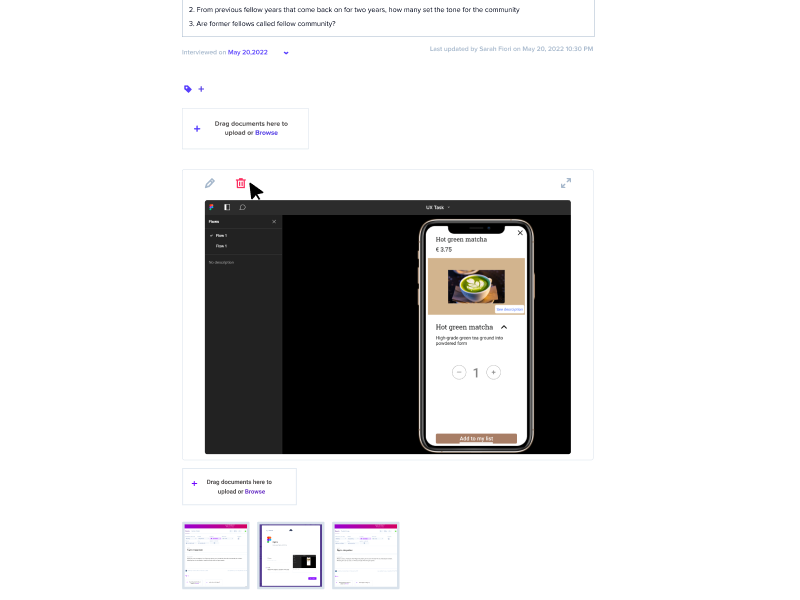
Glidr already has different types of integrations, and users are generally familiar with the concept. Additionally, engagement helped us to understand more of our users, since they welcomed the idea of a proactive way to interact with a prototype as an easy way to show off an idea or design.
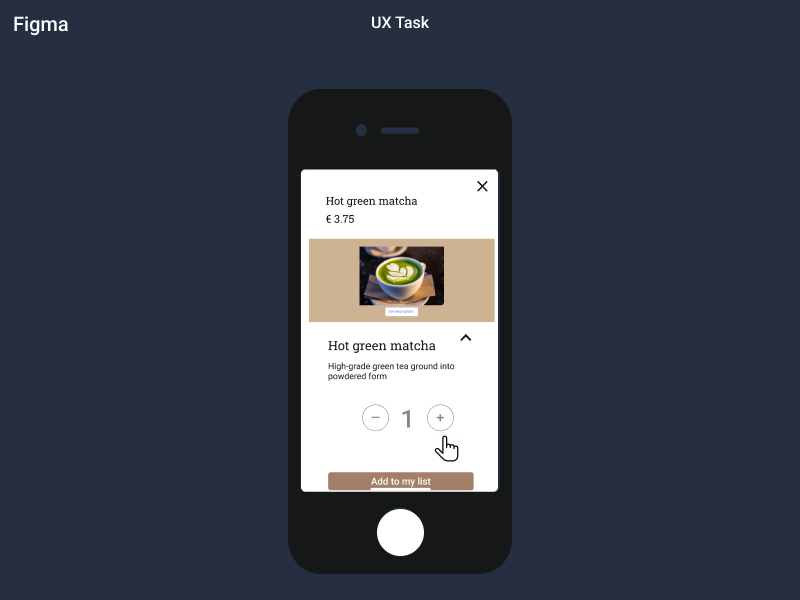
When the project was approved, we struggled with the idea of integrating big screens into smaller screens. It represented a bit of a challenge, because we were not able to know how the design would look or how big it would be. Once we got to that point, we needed to adjust the design to fit various prototypes and sizes and make it more usable.
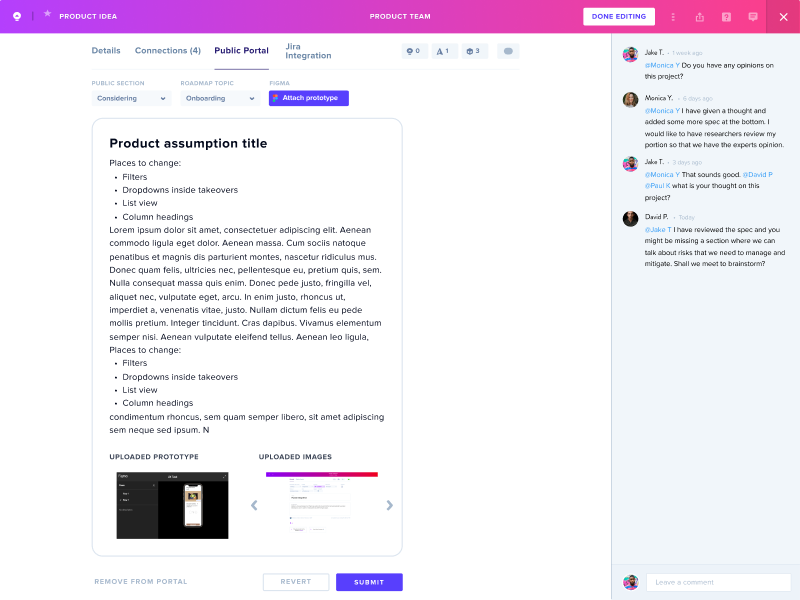
Because of this project, we realized the importance of competitive analysis and research even after the ideation process. Since there's always space for mistakes or changes during this stage. Also the flexibility to be open for new perspectives and allowing iterations to be a constant part of our process.
I was the sole UX/UI designer for a seven year old company with customers around the world including government, top universities, enterprise and startups. I worked directly with the Director of Engineering to define and approve the product. I was responsible for the project, while collaborating with the rest of the team on ideation.